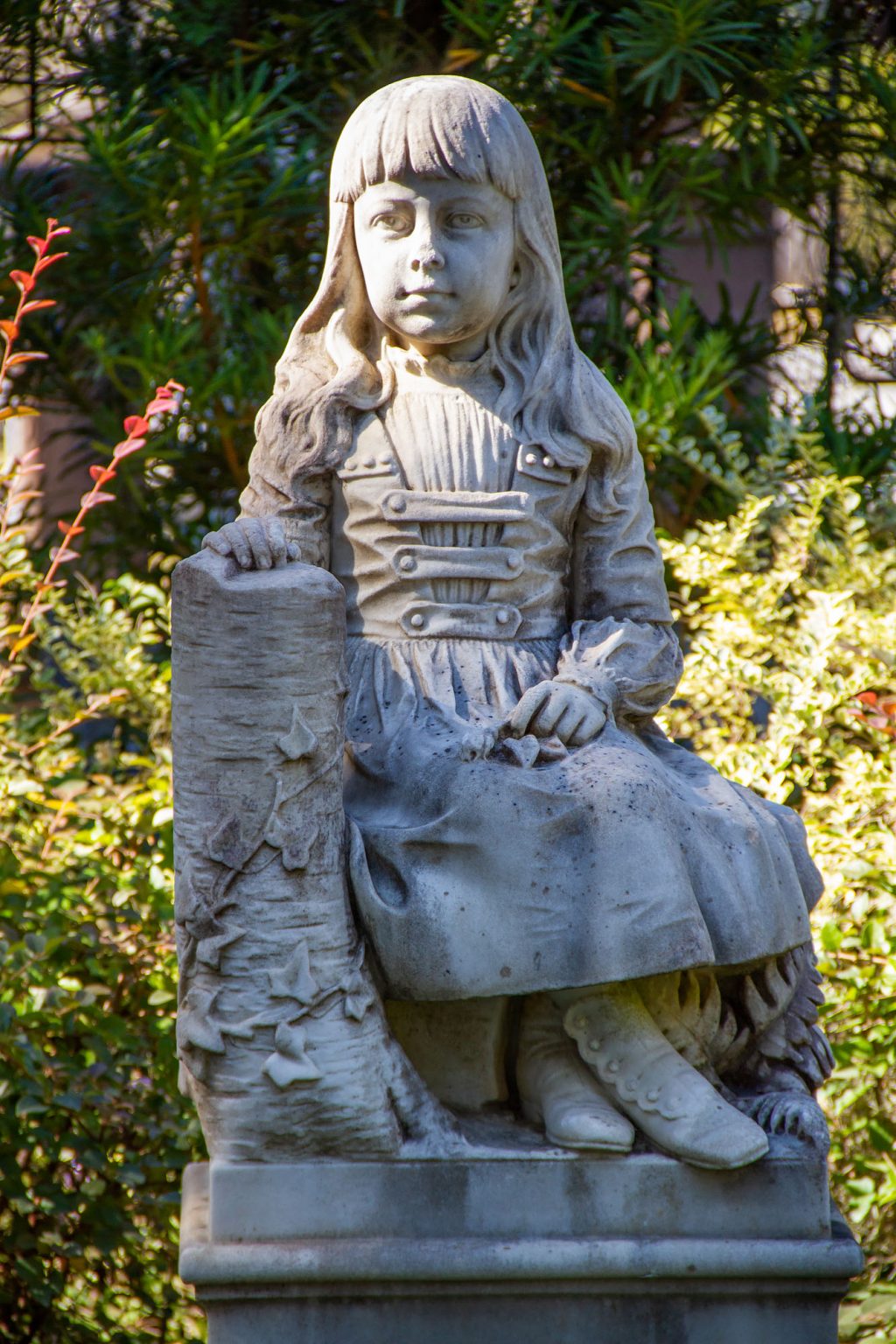
Little Gracie Watson
A realistic marble statue of Gracie, who died at age six, stands as one of the most recognized monuments in the cemetery.
Visit early to view details without the presence of crowds.

The lanes at Bonaventure curve the way plantation avenues once did, which is why first-time visitors so often drift off course. This Bonaventure Cemetery tour map guide covers where to pick one up, how the lettered sections are arranged, and what to mark before setting off. Everything here assumes an independent visit on foot.
Quick answer
A free printed Bonaventure Cemetery tour map is available at the cemetery office inside the main gate at 330 Bonaventure Rd, Savannah, GA 31404, during the daily 08:00–17:00 opening window. Entry itself costs 0 USD. Download a digital copy before arriving as backup, since the live oak canopy weakens mobile signal across parts of the grounds.
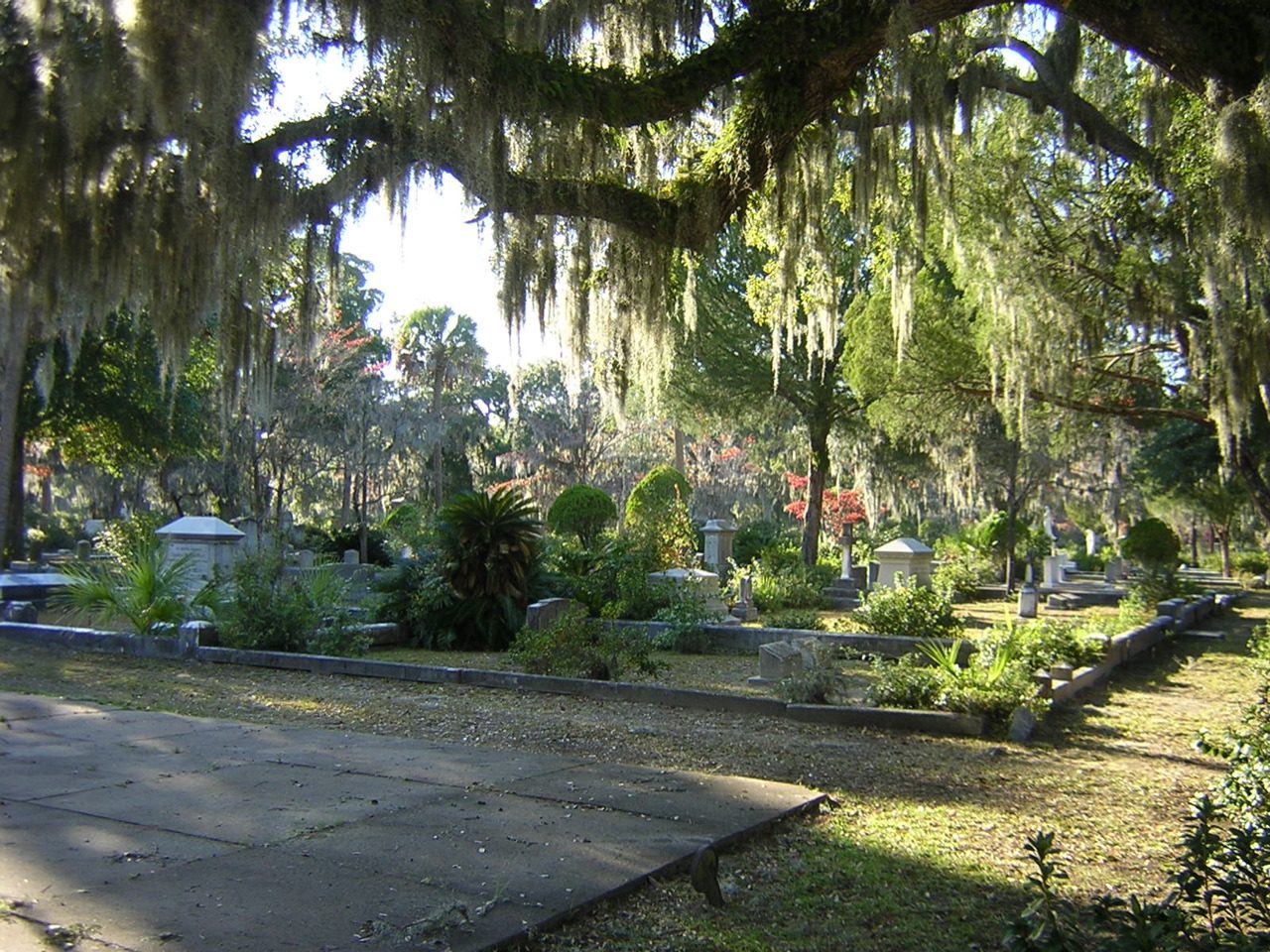
Bonaventure was a plantation before it was a burial ground. The Mullryne and Tattnall families laid out its avenues in the eighteenth century, and the cemetery that followed inherited those curves. That history explains why a Bonaventure Cemetery tour map reads less like a street grid and more like a river delta. Lanes bend toward the Wilmington River, divide around oval plots, and rejoin without warning. Visitors who expect numbered blocks often lose their bearings within minutes. Savannah has owned and maintained the grounds since 1907, and the sections are lettered rather than named. Section H, Section E, and the Victorian core each carry a different planting scheme and headstone era. The Bonaventure Historical Society keeps burial records and a volunteer presence near the gate, which is where most independent walks begin. Spanish moss hangs low enough to close off sightlines, so physical landmarks serve better than compass directions: the brick perimeter wall, the bluff above the water, the live oak allées, the azalea beds that flare in spring. A route plan beats a checklist. Independent visitors generally pick one quadrant, work it slowly, and accept that some plots stay hidden. Grave numbers run in sequence within a section, but monuments face inward on family lots, so the carved name often sits on the side turned away from the lane. Walking the lane twice, once in each direction, solves more problems than doubling back across the grounds. Marking three or four anchor points before setting out — a bench, a gatepost, a distinctive obelisk — turns a sheet of paper into a working orientation tool. Mobile coverage dips under the canopy, which is the strongest argument for carrying paper alongside a downloaded file. Those who would rather listen than navigate can fold the same ground into a guided Savannah cemetery tour, where a local interpreter handles the sequencing and the stories behind the stonework. Either way, the grounds reward a second visit: light shifts fast off the Wilmington River, and sections that read as empty in flat midday sun take on depth later in the day. Printed at home or collected at the gate, a Bonaventure Cemetery tour map is the one item that turns a wander through these Savannah landmarks into a route worth repeating.
“Lanes bend toward the Wilmington River, divide around oval plots, and rejoin without warning.”
This sequence suits independent visitors walking the grounds at their own pace, covering the main loop in roughly two to three hours. It follows the paved drives rather than cutting between plots, so it works for anyone navigating with a printed or digital map.
Park near the entrance on Bonaventure Road and orient yourself with a section map before walking in; the grid is lettered, so note which section numbers sit on either side of the central drive. Allow ten minutes here.
Walk the live-oak-lined main drive straight ahead from the gate, which forms the spine of the cemetery and connects most sections. Roughly 20 minutes at a slow pace, and it doubles as your reference line if you lose your bearings.
Branch left into the earliest burial sections nearest the original plantation grounds, where paths narrow and headstones sit closer together. Budget 40 minutes, and keep to the gravel lanes rather than walking across plots.
Continue to the bluff-side sections along the river, the quietest part of the grounds and a natural halfway marker. About 25 minutes, including time to sit on one of the benches.
Rejoin the drive and head toward the designated Jewish sections on the far side, which have their own distinct layout. Around 20 minutes of walking and looking.
Follow the outer loop road back toward the gate instead of retracing the central avenue, which adds variety without extra distance. Allow 25 minutes.
Compare what you saw against your map and note sections worth a second pass on a future visit or with a guide. Five to ten minutes.
Use this guide to identify key architectural and historical points of interest while navigating the grounds independently. These landmarks represent the diverse funerary art and notable figures interred throughout the cemetery.
A realistic marble statue of Gracie, who died at age six, stands as one of the most recognized monuments in the cemetery.
Visit early to view details without the presence of crowds.
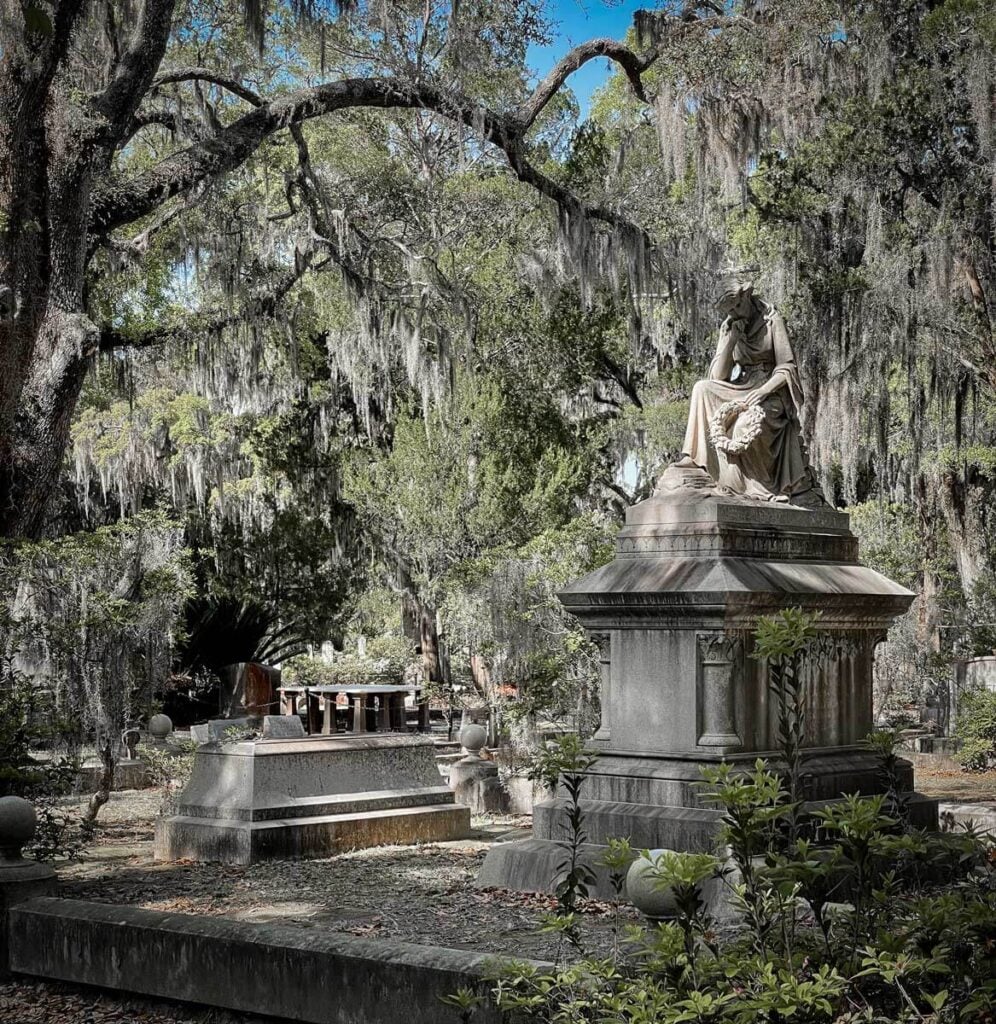
The naturalist and author spent time in Bonaventure before it became a public cemetery, describing it in his writings.
Look for the memorial plaque dedicated to his time here.
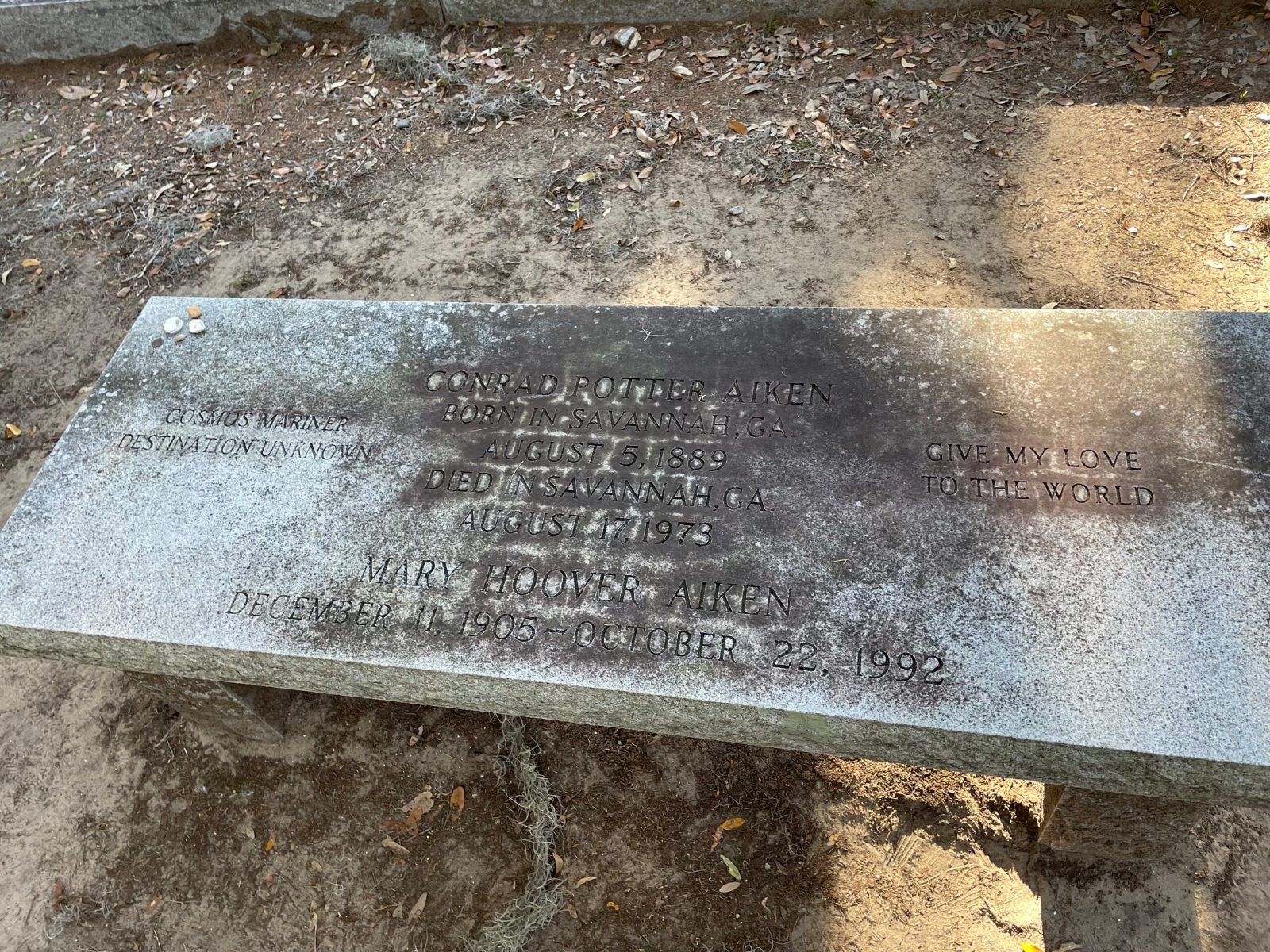
The poet’s gravesite is marked by a unique stone bench designed for visitors to sit and reflect.
Check the rear of the headstone for inscribed literary references.
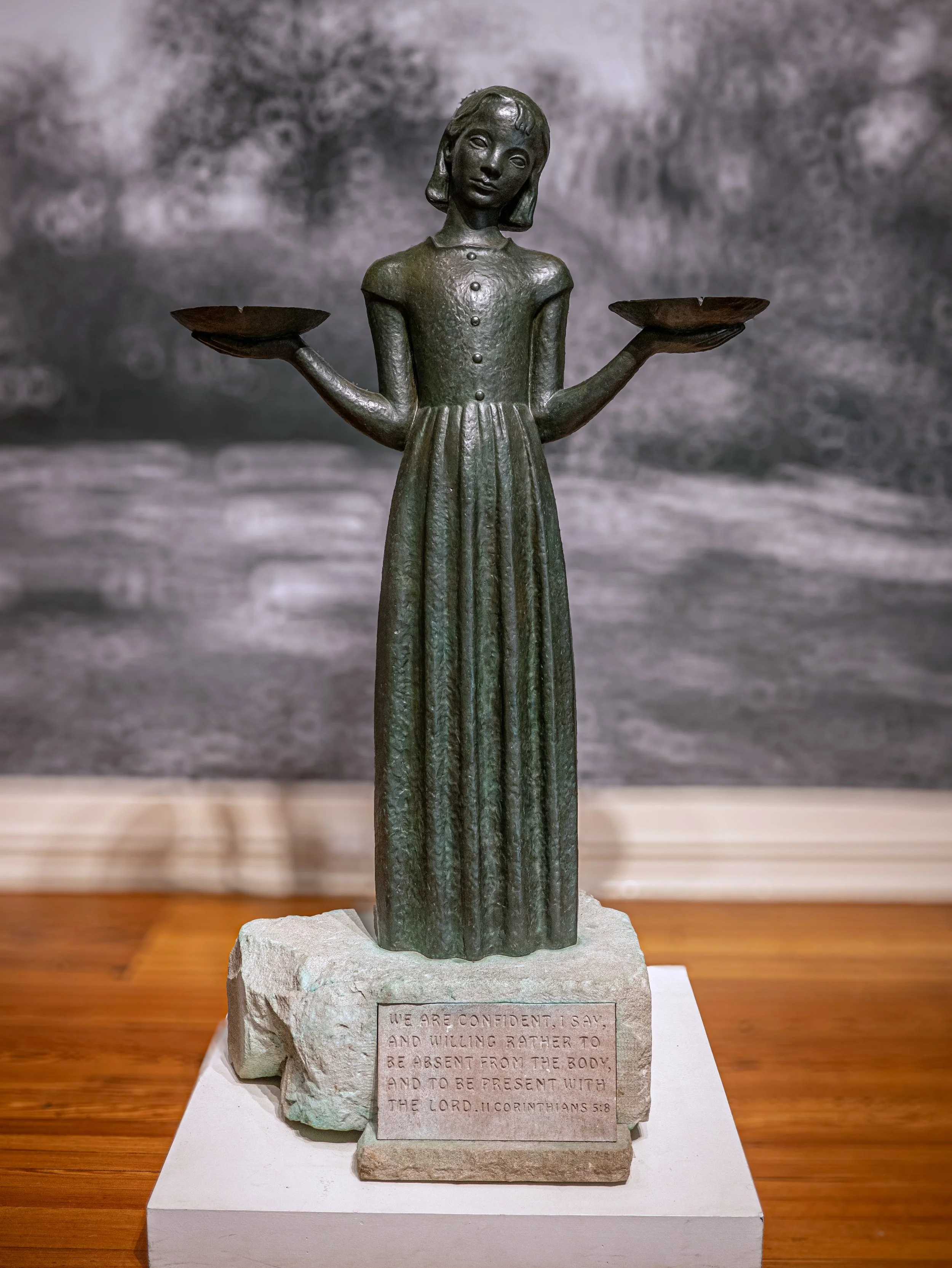
Originally located here, this famous sculpture gained prominence after appearing on a book cover.
While the original is now in a museum, the plot remains a site of significant cultural interest.
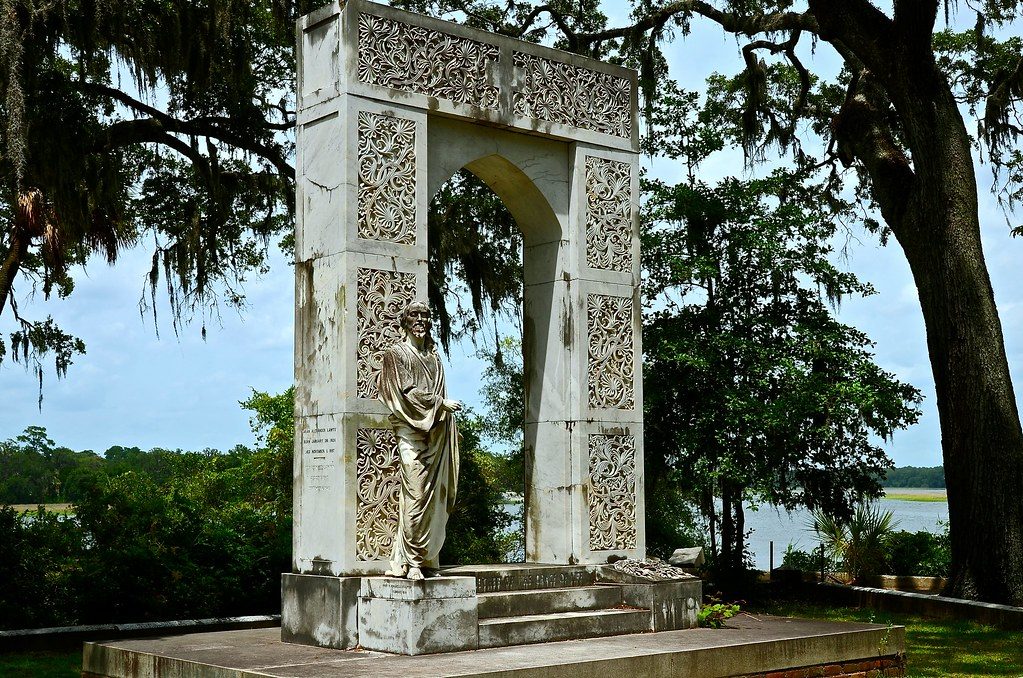
This ornate granite structure features detailed carvings and serves as a prime example of the cemetery’s elaborate funerary architecture.
Observe the intricate stonework from the main path.
Bonaventure Cemetery is located at 330 Bonaventure Rd, Savannah, GA 31404. It is most easily accessed by car or taxi from the downtown Savannah area.
Follow Bonaventure Rd directly to the cemetery entrance
Request transport to 330 Bonaventure Rd
CAT Route 10 to Bonaventure Rd and Atlantic Ave
Parking is available on-site near the entrance gates. Planning your arrival for the early morning window helps avoid peak congestion and ensures easier navigation of the grounds.
Bonaventure Cemetery is open to the public daily throughout the year. Visitors should plan their self-guided tours to align with these standard operating hours.
Bonaventure Cemetery is a public municipal site managed by the City of Savannah. Access to the grounds for independent exploration requires no admission fee.
Verdict: A typical adult pays 0 USD for entry, as independent access to the cemetery remains entirely free.
Bonaventure remains an active burial ground where families visit loved ones. Visitors should observe quiet respect and stay on marked paths to preserve both gravesites and the natural landscape.
Everything you need to know about bonaventure cemetery tour map
The City of Savannah does not provide a formal printed bonaventure cemetery tour map for visitors at the entrance. Many guests utilize digital resources or historical pamphlets to navigate the Victorian-style burial grounds on their own. Exploring independently allows you to set your own pace among the Spanish moss and historic headstones.
Visitors interested in a Savannah cemetery walking guide often rely on official historical markers and site signage to identify key burial plots. The cemetery is expansive, so reviewing the layout online before your arrival is recommended. This helps you identify notable sections like the Little Gracie statue without needing a guided service.
Entrance to the grounds is free of charge, meaning you do not pay for access regardless of whether you carry a bonaventure cemetery tour map. While the site is open to the public, please remember that this is an active cemetery and respectful behavior is required. There are no fees associated with independent exploration.
To explore these famous Savannah landmarks, start your visit early in the day to navigate the pathways comfortably. Using an online digital map or historical guide will help you locate the primary intersections and the scenic bluff overlooking the Wilmington River. Walking is the primary way to observe the intricate stonework and funerary art.
While there is no singular official interactive app, many visitors download high-resolution images of a bonaventure cemetery tour map before losing cell service in certain areas. Saving a copy to your device ensures you can orient yourself as you walk between the mature oak trees and historic plots. Always ensure your device is charged before beginning your trek.
When using a bonaventure cemetery tour map, remember to stay on designated roadways and paths at all times. Do not climb on or touch the monuments, as many of these stone carvings are fragile and of significant historical importance. Always maintain a quiet, respectful demeanor to honor those interred on the grounds.